Do you often experience headaches?
Headaches are one of the most common neurological complaints worldwide. People of all ages experience them, and the headache causes can vary widely—from muscular tension and joint dysfunction to nerve irritation and even deeper structures such as the meninges, the protective layers surrounding the brain and spinal cord. Identifying the underlying headache causes is essential for finding long-lasting and effective relief.
Understanding the Hidden Headache Causes
Many headache causes are related to irritation or strain in the muscles, joints, nerves, or blood vessels around the head and neck. Although the brain itself cannot feel pain, the surrounding tissues contain many pain-sensitive structures. When these tissues become irritated, inflamed, or tense, they send pain signals to the brain, which are experienced as a headache.
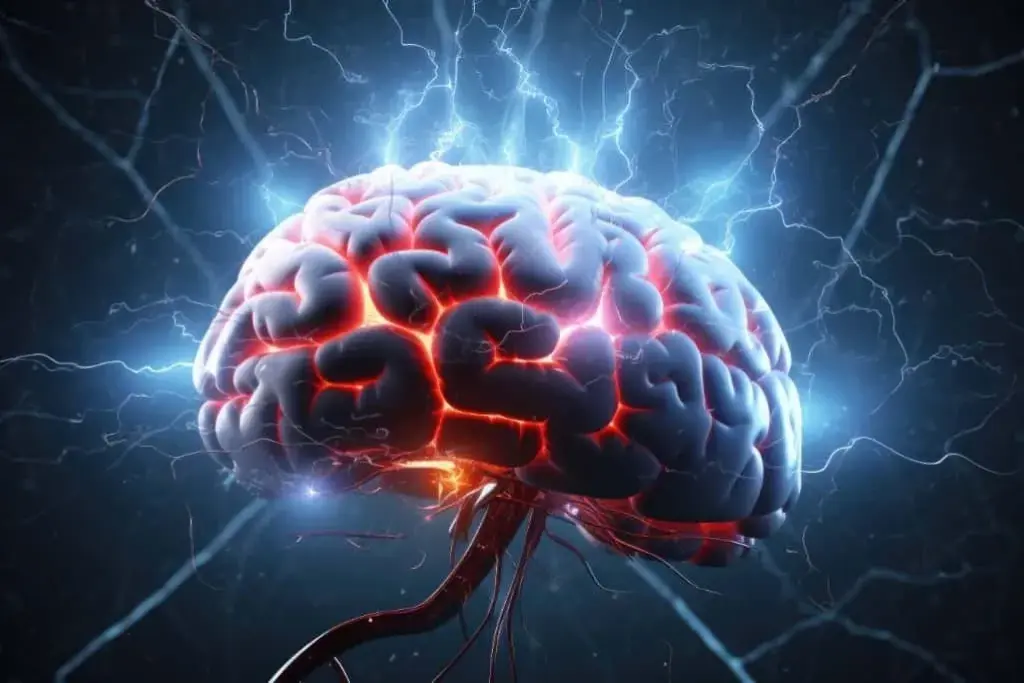
Trigger Point Headache – A Common but Overlooked Cause
A trigger point headache develops due to tight, sensitive knots within the muscles known as trigger points. These small muscle knots often form because of stress, poor posture, or prolonged muscle tension. When pressure is applied to these areas, they can produce pain that spreads to other parts of the head. Common symptoms of a trigger point headache include:
- Pain around the head or behind the eyes
- A dull, pressure-like tension headache sensation
- Pain radiating to the temples, jaw, or forehead
Trigger points commonly occur in the neck, shoulders, and scalp muscles. When these muscles remain tight for long periods, they can lead to recurring tension headache patterns and chronic head discomfort.
C1–C2 Dysfunction and Cervicogenic Headache
The upper cervical spine consists of the first two vertebrae—C1 (Atlas) and C2 (Axis)—which support the skull and allow smooth head movement. When these joints become stiff, irritated, or misaligned, they can lead to a condition known as a cervicogenic headache. A cervicogenic headache originates from problems in the neck but is felt as pain in the head. This type of headache is often associated with:
- Pain may radiate to the back of the head
- You may feel pressure behind the eyes or temples
- Neck stiffness or restricted movement may develop
Because the source of a cervicogenic headache lies in the cervical spine, proper assessment and treatment of the neck are essential for long-term relief.
What Are the Meninges?
To understand certain headache causes, it is important to know about the meninges. The meninges are three protective layers that surround and protect the brain and spinal cord. These layers act as a supportive covering for the central nervous system and play a key role in maintaining its function. The three layers of the meninges include:
- Dura Mater – The tough and strong outer protective layer
- Arachnoid Mater – The middle layer with a delicate, web-like structure
- Pia Mater – The thin inner layer that closely adheres to the surface of the brain
Together, these layers protect the nervous system, support healthy blood circulation, and help regulate the flow of cerebrospinal fluid (CSF), which cushions the brain and spinal cord.
How Meningeal Irritation as One of the Headache Causes
rritation of the meninges is another possible factor among different headache causes. The outer layer, known as the dura mater, contains many pain-sensitive nerve endings. When this layer becomes irritated due to inflammation, infection, dehydration, poor posture, or excessive strain, it can trigger headaches. Common symptoms related to this type of irritation include:
- Sharp headaches
- Pressure-like pain
- Pain worsened by movement or bending
In rare situations, more serious conditions such as increased intracranial pressure can also contribute to these headache causes, which is why proper evaluation and diagnosis are important.
Advanced Physiotherapy Treatment for Headaches at DHPC
At Dr. Harsha’s Physiotherapy Clinic (DHPC), our approach focuses on identifying the underlying headache causes rather than just treating the symptoms. By understanding whether the pain originates from muscles, joints, nerves, or posture-related problems, our physiotherapists provide targeted treatments designed to relieve pain and prevent future headaches.
1) Myotherapy for Muscle-Related Headache Causes
Myotherapy is a specialized manual therapy technique used to release trigger points or tight muscle knots in the head, neck, and shoulder regions. Since muscle tension is one of the most common headache causes, relaxing these muscles can significantly reduce headache symptoms. Myotherapy helps to:
- Reduce muscle tightness
- Improve blood flow
- Relieve pressure-like sensations in the head
- Reduce frequency and intensity of headaches
2) Dry Needling For Headache Causes
Dry needling involves the use of thin, sterile needles to target trigger points and release muscle tension. This treatment is particularly effective when headache causes are related to muscle spasms or trigger points in the neck and jaw region. Dry needling can help with:
- Tension headaches
- Jaw-related headaches
- Neck stiffness
By relaxing the affected muscles, dry needling helps restore normal movement and reduce pain.
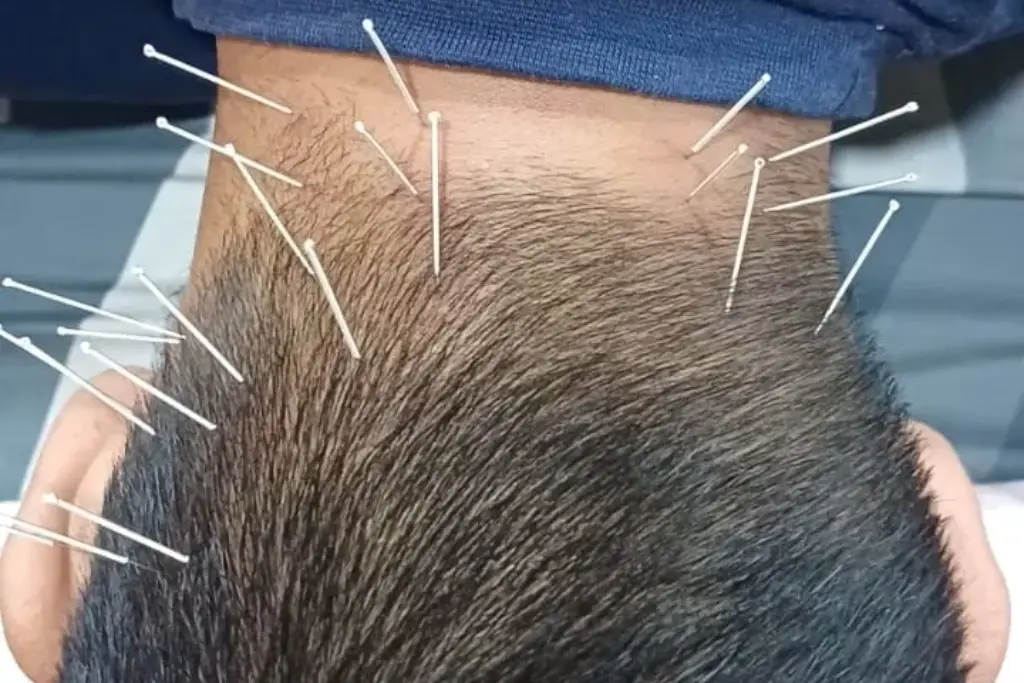
Dry Needling for headache
3) Craniosacral Therapy For Headache Causes
Craniosacral Therapy (CST) is a gentle hands-on technique that focuses on releasing subtle restrictions in the skull, spine, and surrounding tissues. Since tension in cranial structures can contribute to certain headache causes, CST helps promote relaxation and improve overall nervous system function. Craniosacral Therapy helps to:
- Reduce tension in cranial and neck structures
- CST promotes relaxation and reduces tension in the cranial system, which may support better nervous system function
- Ease chronic headache patterns
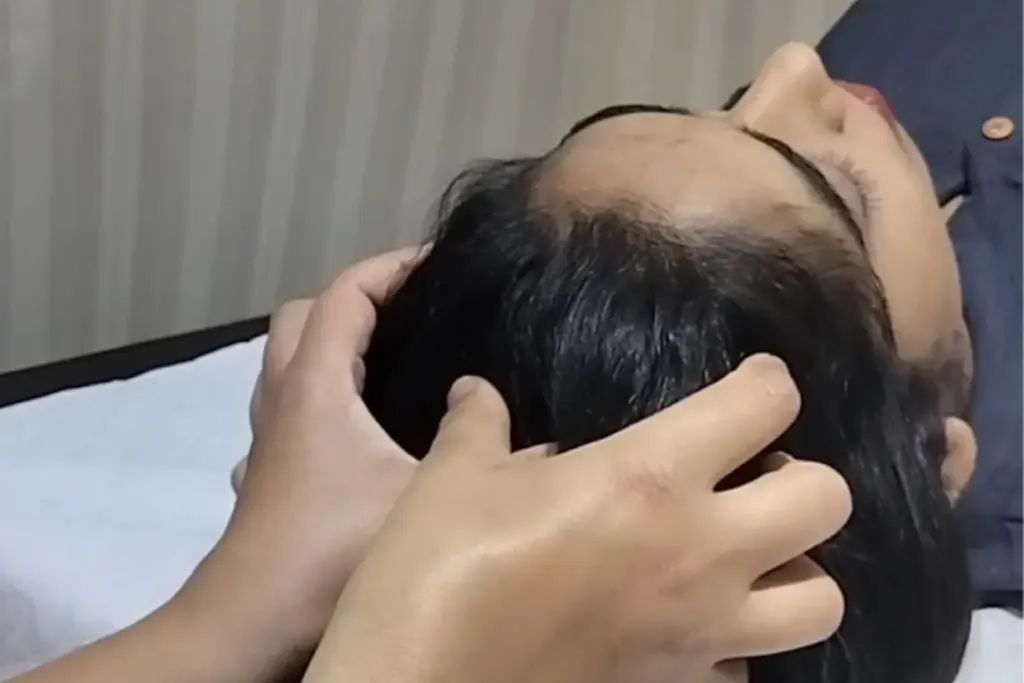
Craniosacral Therapy for headache
4) Postural Correction & C1–C2 Alignment
Poor posture and misalignment in the upper cervical spine are common headache causes, particularly for cervicogenic headaches. Correcting the alignment of the C1 and C2 vertebrae can significantly reduce strain on the neck and prevent recurring headaches. Treatment includes:
- Joint mobilization
- Ergonomic education
- Posture retraining
5) Strengthening Exercises to Prevent Headache Causes
Strengthening the deep neck flexor muscles and upper back muscles is essential for maintaining proper posture and spinal stability. Weakness in these muscles can contribute to several headache causes, especially those related to posture and neck strain.
Conclusion
Headaches can occur for many different reasons, and understanding the underlying headache causes is essential for effective treatment. These headache causes may range from simple muscle tightness and trigger points to more complex issues such as C1–C2 dysfunction or irritation of the meninges. A thorough physiotherapy assessment can help identify the exact headache causes and guide the most appropriate treatment plan. If you have been experiencing persistent headaches, the expert physiotherapists at DHPC can help address the root headache causes and support long-term relief.
Contact Us
📞 +91 98864 00200 / +91 96867 47588
🌐 dhpc.co.in
🏥 Dr. Harsha’s Physiotherapy Clinic, Bangalore
Click the link below to know more about CST and its benefits. Craniosacral Therapy: A Natural Way to Heal Your Brain