A headache is a pain or discomfort in the head, scalp, or neck. It can vary in intensity, duration, and type. Headaches can be caused by various factors, such as stress, dehydration, eye strain, sinus issues, or underlying health conditions. The pain can be sharp, throbbing, or dull and may be localised to specific areas or widespread. Managing these symptoms early with physiotherapy can help reduce pain, address the underlying cause, and prevent frequent recurrence.
Types of headache:
- Temporal headache
- Crown headache
- Suboccipital headache
Temporal Headache
What is a Temporal Headache?
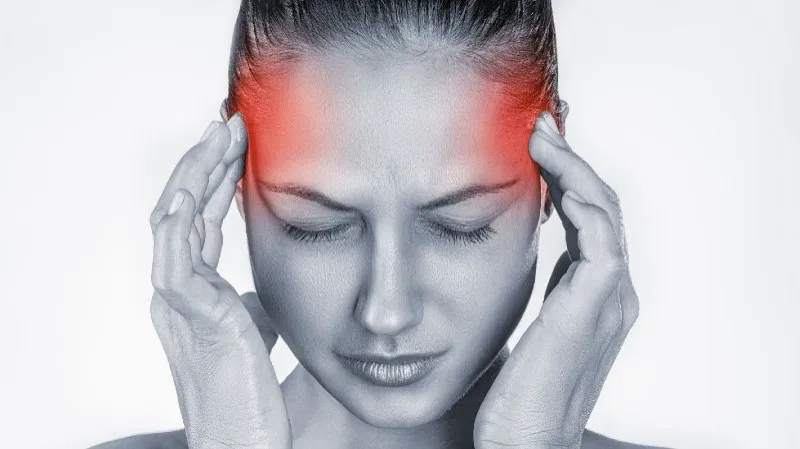
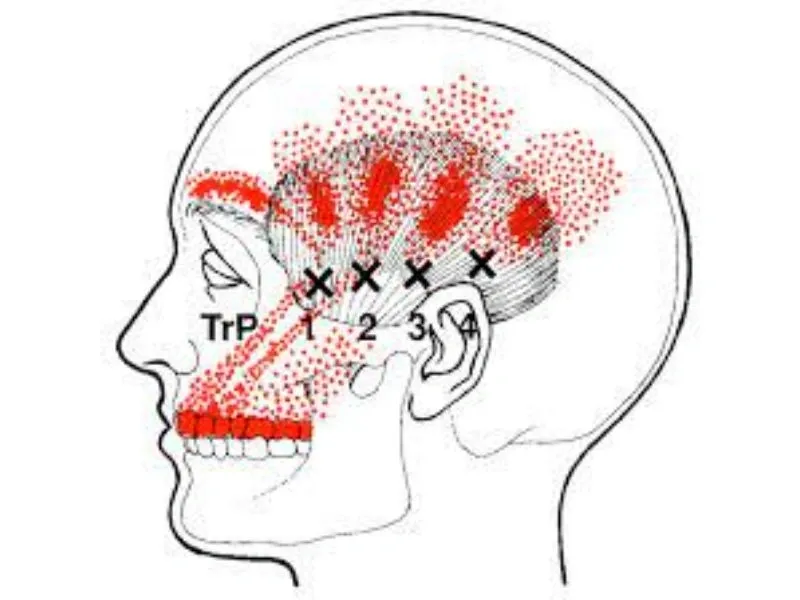
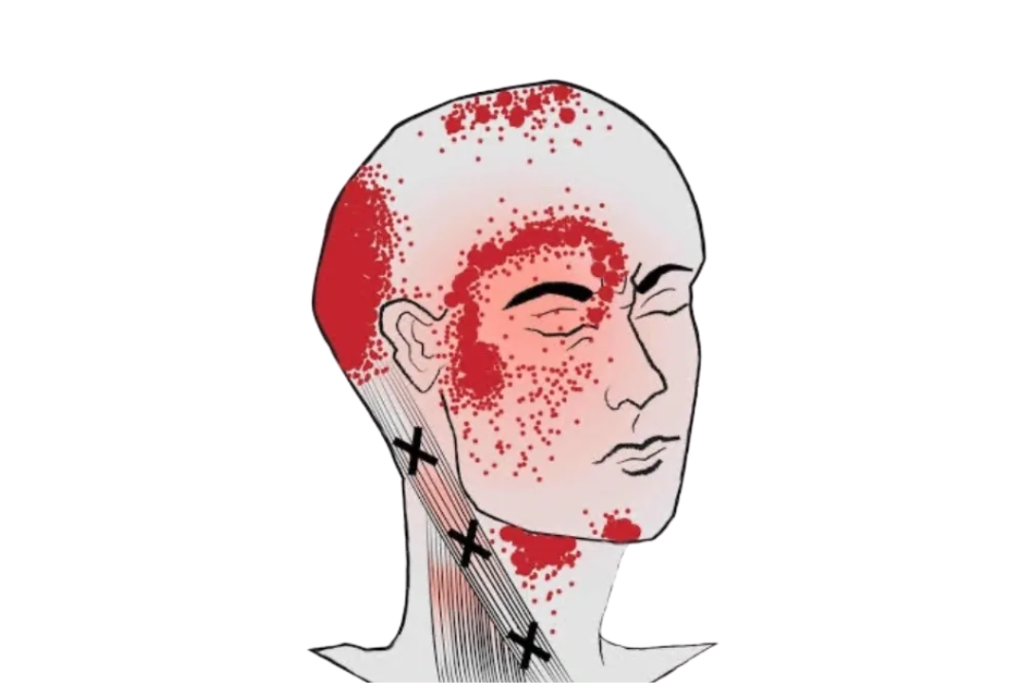
A temporal headache refers to pain that occurs in the temple region (sides of the head). This type of headache can vary in intensity, ranging from a dull ache to sharp, throbbing pain. The pain may be unilateral (affecting one side) or bilateral (affecting both sides) and can sometimes radiate to other parts of the head, neck, or shoulders. It also causes eye strain.
Muscles that are tight and cause temporal headaches are the Temporalis and Sternocleidomastoid.
Crown Headache
What is a Crown Headache?
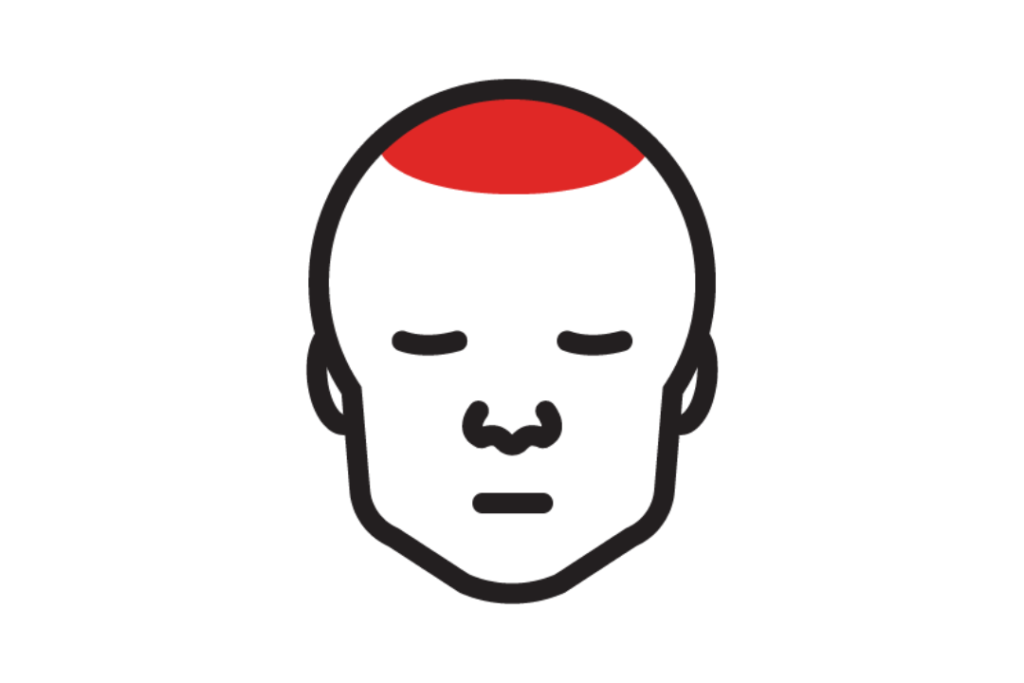
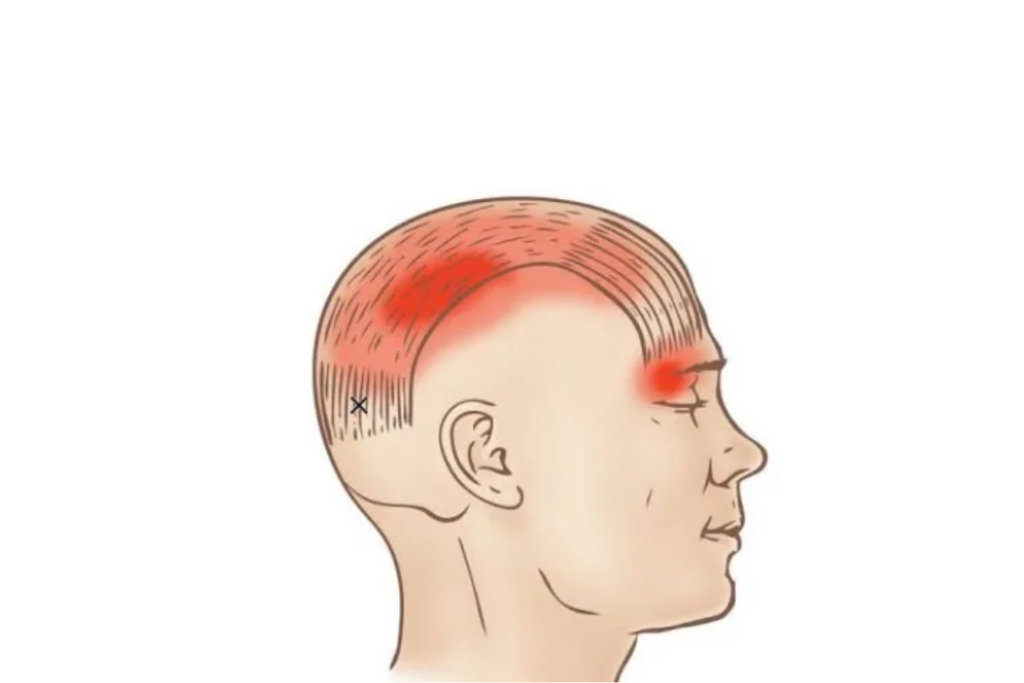
A crown headache is characterised by pain or pressure that feels like it’s encircling the top of the head, much like a crown or headband. People often describe this type of headache as a feeling of tightness or heaviness, and it may be accompanied by tenderness in the scalp. Crown headache is also referred to as “PRESSURE COOKER SYNDROME”. In pressure cooker syndrome, the individual experiences an intense, pressure-like pain localised to the top of the head, particularly in the crown area. This pain can feel as though the head is under immense internal pressure, almost as if it might burst from the intensity.
Muscles that are tight and cause a crown headache are the Occipitofrontalis.
Suboccipital Headache
What is a Sub occipital Headache?
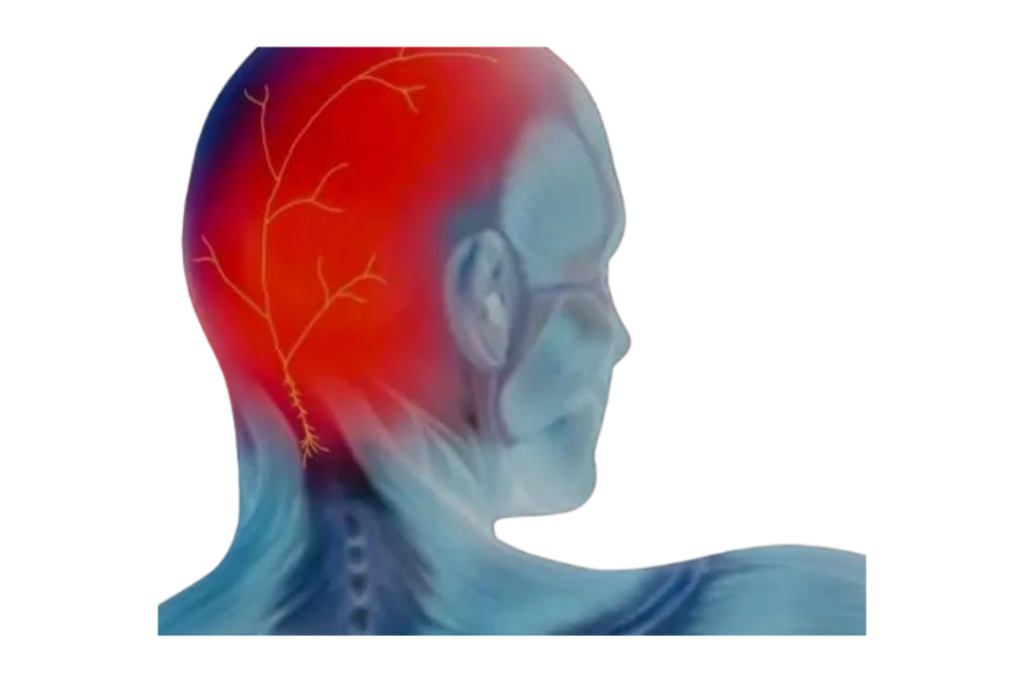
A suboccipital headache is characterised by pain in the suboccipital region of the head, which is the area at the base of the skull. The pain often radiates from the neck and can extend to the back of the head, temples, or behind the eyes. This type of headache is frequently associated with tension and tightness in the muscles of the neck and upper back. It also causes compression of the supra and infraorbital nerves, which can cause eye strain.
Suboccipital headaches are sometimes referred to as “cervicogenic headaches” because they originate from issues in the cervical spine (the neck) and surrounding muscles. They can be either episodic or chronic, depending on the underlying cause and the individual’s health condition.
Muscles which are tight and cause suboccipital headache are: Suboccipital muscles, Splenius capitis, Splenius cervicis and Semispinalis capitis.
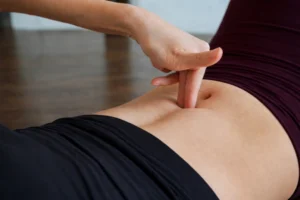
Headache Due to Diastasis Recti
Diastasis Recti can indirectly affect blood pressure, which can lead to headaches:
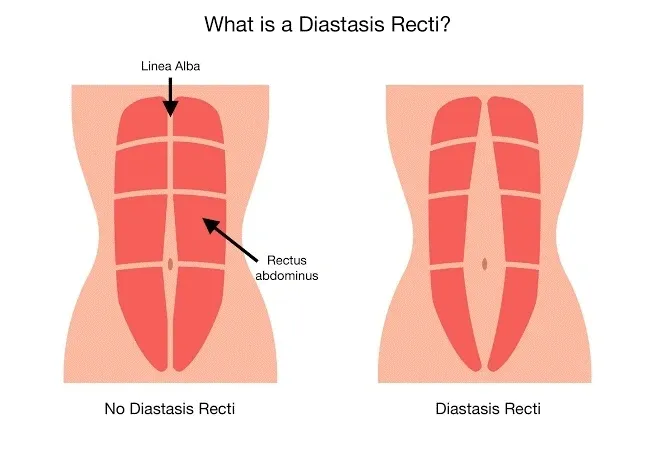
1. Altered Intra-Abdominal Pressure: Weakened abdominal muscles can disrupt intra-abdominal pressure, impacting blood flow and potentially causing blood pressure fluctuations.
2. Impact on Aortic Function: Changes in posture and diaphragm function may affect the aorta’s efficiency, leading to inconsistent blood flow and pressure variations.
3. Thoracoabdominal Pump Dysfunction: Disrupted coordination between the diaphragm and abdominal muscles can impair venous return to the heart, contributing to blood pressure instability.
Causes of Headache
Muscle tightness: Due to tightness in the muscles, which causes reduced cranial movements which in turn increases the intracranial pressure and causes headache.
Tension Headaches: Often caused by stress, anxiety, or muscle strain, particularly in the neck and shoulders.
Migraines: Triggered by various factors such as hormonal changes, certain foods, stress, or sensory stimuli like bright lights or strong smells.
Sinus Headaches: Caused by sinus infections or inflammation (sinusitis), leading to pressure and pain in the forehead, cheeks, and around the eyes.
Cervicogenic Headaches: Originating from issues in the cervical spine (neck), often due to poor posture, muscle tension, or nerve irritation.
Medication Overuse Headaches: Result from the frequent use of pain relief medications, leading to a rebound effect.
Dehydration: Not drinking enough fluids can lead to headaches due to reduced blood flow to the brain.
Eye Strain: Prolonged screen time, poor lighting, or incorrect eyewear prescriptions can cause headaches.
Trauma: Head injuries or concussions can lead to headaches, sometimes persisting for a long time after the injury.
Poor Sleep: Insufficient or poor-quality sleep can lead to tension headaches or migraines.
Symptoms of Headache
- Dull, aching pain or pressure around the forehead, temples, or back of the head.
- Sensation of tightness or band-like pressure around the head.
- Tenderness in the scalp, neck, and shoulder muscles.
- Throbbing or pulsing pain.
- Sensitivity to light, sound, or smells.
- Nausea and vomiting.
- Visual disturbances (aura) such as flashing lights, zigzag patterns, or blind spots.
- Worsening pain with physical activity.
- Reduced range of motion of neck.
- Pain and discomfort around the eyes.
- Blurred vision or difficulty focusing.
- Fatigue.
- Dizziness, memory problems or difficulty in concentrating.
Physiotherapy for Headache
Physiotherapy plays an important role in the management and rehabilitation of headaches. It helps reduce pain and prevent its recurrence.
Assessment
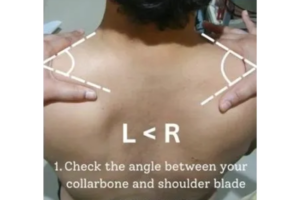
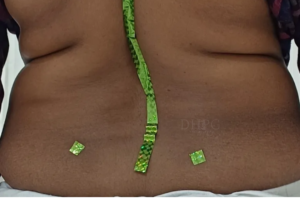
Postural Analysis: Identifying poor posture that may contribute to muscle tension or joint strain.
Movement Evaluation: Assessing range of motion, muscle strength, and joint function in the neck, shoulders, and upper back.
Pain Mapping: Identifying the areas of pain and correlating them with potential musculoskeletal dysfunctions.
Headache Pain Relief Techniques using Physiotherapy
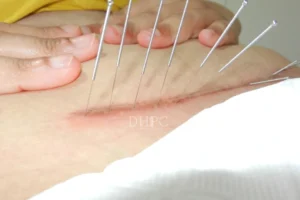
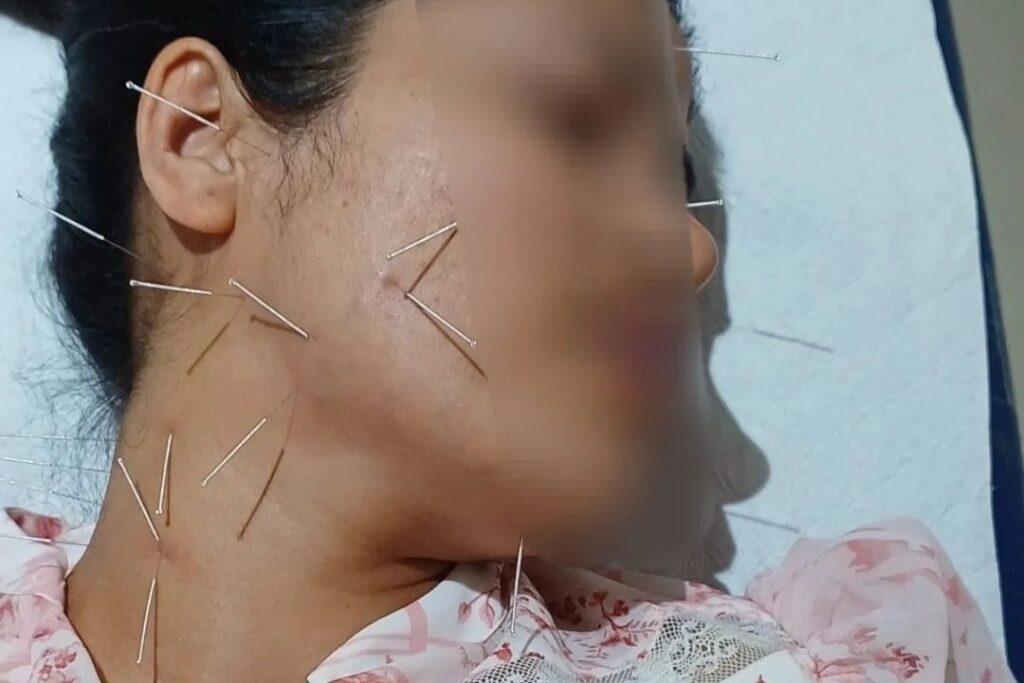
Dry needling therapy
In this therapeutic technique, sterile needles are inserted into the trigger points or tight muscle areas to relieve pain and improve function.
Cupping therapy
In this technique, plastic cups are used to release the tight and stiff muscles of the neck and face. Which helps in releasing the tension in the muscles that causes headache.
Myotherapy
Techniques like myofascial release and trigger point therapy to relieve muscle tension and reduce pain.
Exercise therapy
Stretching Exercises: Targeting tight muscles in the neck, shoulders, and upper back to improve flexibility and reduce tension
Strengthening Exercises: Focusing on the deep neck flexors, shoulder stabilizers, and upper back muscles to improve posture and support the cervical spine.Postural Correction Exercises: Training to maintain proper alignment during daily activities to prevent strain on the neck and shoulders.
Cranial Osteopathy
Increasing cranial movements through cranial osteopathy, also known as cranial-sacral therapy, focuses on enhancing the subtle mobility of the cranial bones, the flow of cerebrospinal fluid (CSF), which helps in reducing headaches and the overall function of the craniosacral system.
Chiropractic for C1 and C2
Chiropractic care for the C1 (atlas) and C2 (axis) vertebrae focuses on addressing misalignments or dysfunctions in the upper cervical spine. Misalignments in these vertebrae can lead to a range of symptoms, including headaches, neck pain, dizziness, and even issues with balance and coordination.
Chiropractic adjustments for C1 and C2 can be highly effective for a range of conditions, particularly those involving the head, neck, and upper spine. Correcting misalignments can reduce neck pain, stiffness, and discomfort by improving joint function and reducing muscle tension.
Modalities
Heat or Cold Therapy: Applying heat to relax tight muscles or cold to reduce inflammation and numb pain.
Ultrasound Therapy: Using sound waves to promote tissue healing and reduce muscle spasm.
Home Exercise Program
Providing patients with tailored exercises to continue at home, ensuring ongoing improvement and prevention of headache recurrence
Conclusion
Headaches can disrupt your life, but with the right care, they can be effectively managed. At DHPC, we take a comprehensive approach to address the root cause of your pain, offering lasting relief and preventing future complications through a combination of treatments like dry needling, manual therapy, personalised exercise plans, and lifestyle guidance. Our approach empowers you to take control of your health and prevent future headaches.
If you’re experiencing headaches, take the first step towards a pain-free life.
Book your appointment now and let us help you achieve lasting relief!
Contact us on: 9886400200 / 080-41320407.