What is Diastasis Recti?
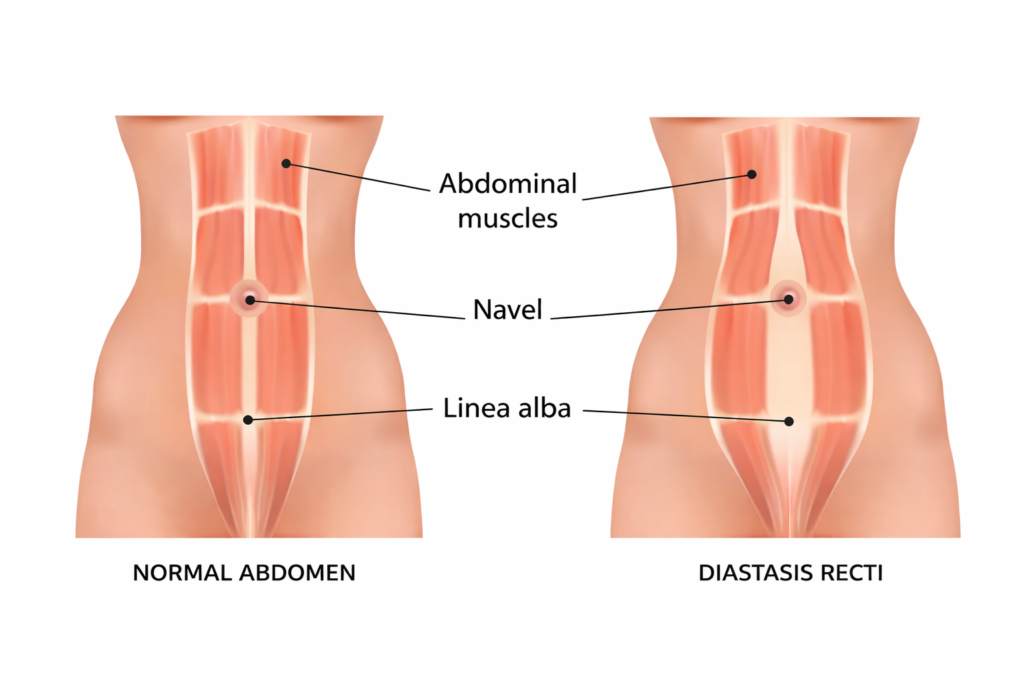
Diastasis recti occurs when the rectus abdominis muscles, commonly known as the “six-pack” muscles, separate along the midline of the abdomen.
This separation happens because the connective tissue, called the linea alba, thins and stretches due to various factors, including the growing uterus during pregnancy or excessive strain on the abdominal muscles.
It can affect anyone, but is most commonly associated with postpartum women.
This blog explores how physiotherapy plays a imporatnt role in managing diastasis recti.
Causes of Diastasis Recti
- Pregnancy: The most common cause of diastasis recti is pregnancy. As the uterus expands, it pushes against the abdominal wall, causing the muscles to stretch and sometimes separate. Multiple pregnancies, particularly close together, can increase the risk.
- Improper Exercise: Engaging in exercises that overly strain the abdominal muscles, such as heavy lifting or improper core exercises, can contribute to diastasis recti.
- Genetics: Some individuals may be genetically predisposed to developing diastasis recti due to weaker connective tissue.
- Obesity: Excess weight can put added pressure on the abdominal muscles, increasing the likelihood of separation.
Symptoms of Diastasis Recti
- Lower back pain is due to weakened core muscles.
- Poor posture caused by the inability to properly engage the core.
- Difficulty lifting objects or performing daily tasks.
- Digestive issues, such as bloating and constipation, are due to the weakened abdominal wall
- Blood Pressure Fluctuations: Altered Intra-Abdominal Pressure. Weakened abdominal muscles can disrupt intra-abdominal pressure, impacting blood flow.
- Impact on Aortic Function: Changes in posture and diaphragm function may affect the aorta’s efficiency, leading to inconsistent blood flow and pressure variations.
- Thoracoabdominal Pump Dysfunction: Disrupted coordination between the diaphragm and abdominal muscles can impair venous return to the heart, contributing to blood pressure instability.
- Feeling lethargic.
- Headache.
- Generalised body weakness.
- Dizziness all the time.
- Post-exercise fatigue.
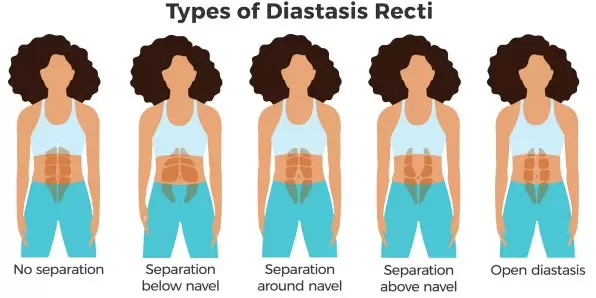
Types Of Diastasis Recti
Diastasis recti occurs when the abdominal muscles separate due to stretching of the connective tissue. It can vary in location and severity, and understanding its types helps in proper diagnosis and treatment.
Diagnosing Diastasis Recti
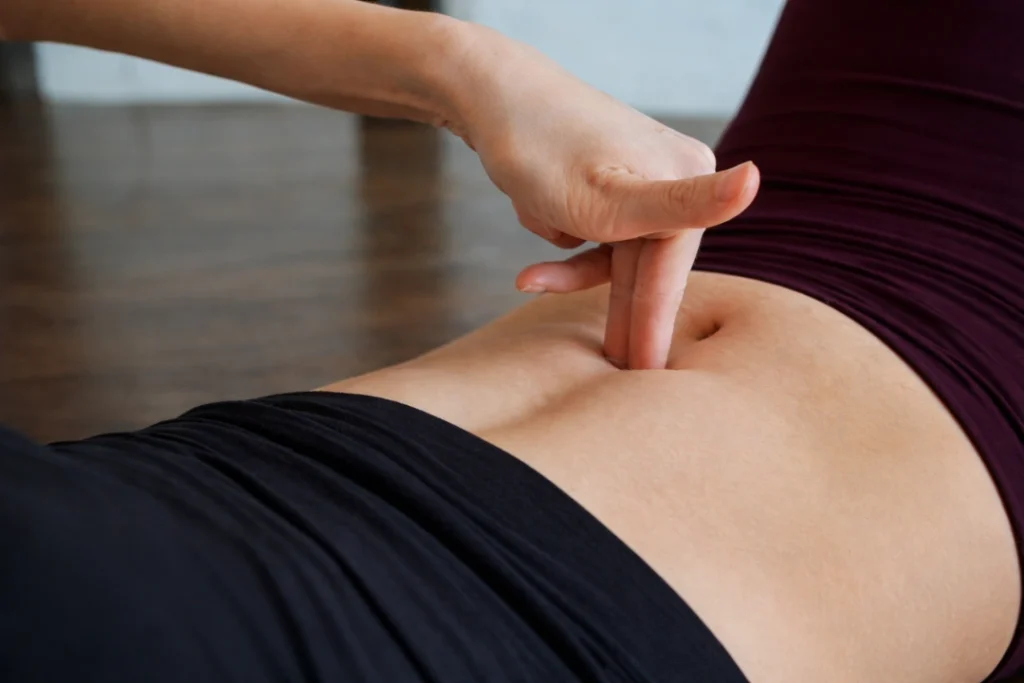
Assessment and Education
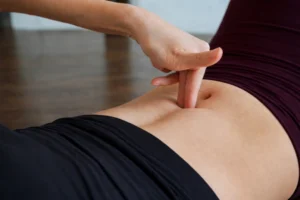
- A physical examination is to lie on your back with your knees bent and arms resting at your sides.
- Place the fingers of one hand vertically, slightly above and below your navel level
- Slowly raise your head and perform a small crunch, feel your abdomen contract.
- Palpate and note down how many fingers can fit within the gap.
Physiotherapy Treatment for Diastasis Recti
1. Breathing Techniques
Proper breathing techniques, particularly diaphragmatic breathing, are foundational in managing diastasis recti. This type of breathing engages the deep core muscles, including the transverse abdominis, which plays a key role in supporting the abdominal wall.
Diaphragmatic breathing helps reduce intra-abdominal pressure, which can worsen muscle separation if not managed correctly. We will guide you how to incorporate this breathing technique into your daily routine and during exercises.
2. Cupping therapy
Cupping therapy is an alternative treatment that involves placing cups on the skin to create suction. This suction is improving blood flow, reducing pain, and promoting healing.
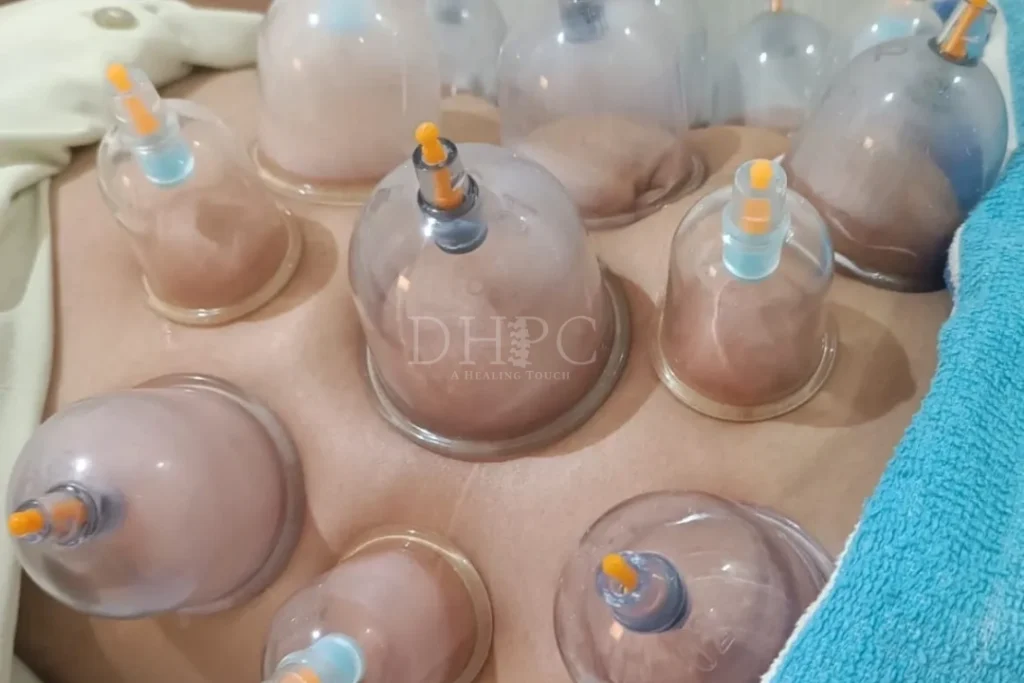
Potential Benefits of Cupping for Diastasis Recti:
Pain Relief: Cupping may help alleviate muscle tension and pain around the abdominal area, which can sometimes accompany Diastasis Recti.
Improved Circulation: By improving blood flow, cupping could theoretically support the healing of the tissue, but this has not been proven specifically for Diastasis Recti.
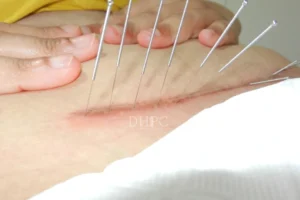
3. Dry needling
Dry needling is a technique where thin needles are inserted into trigger points or tight muscle bands to relieve pain and improve function. It is often used to treat musculoskeletal issues, including chronic pain and muscle tightness.
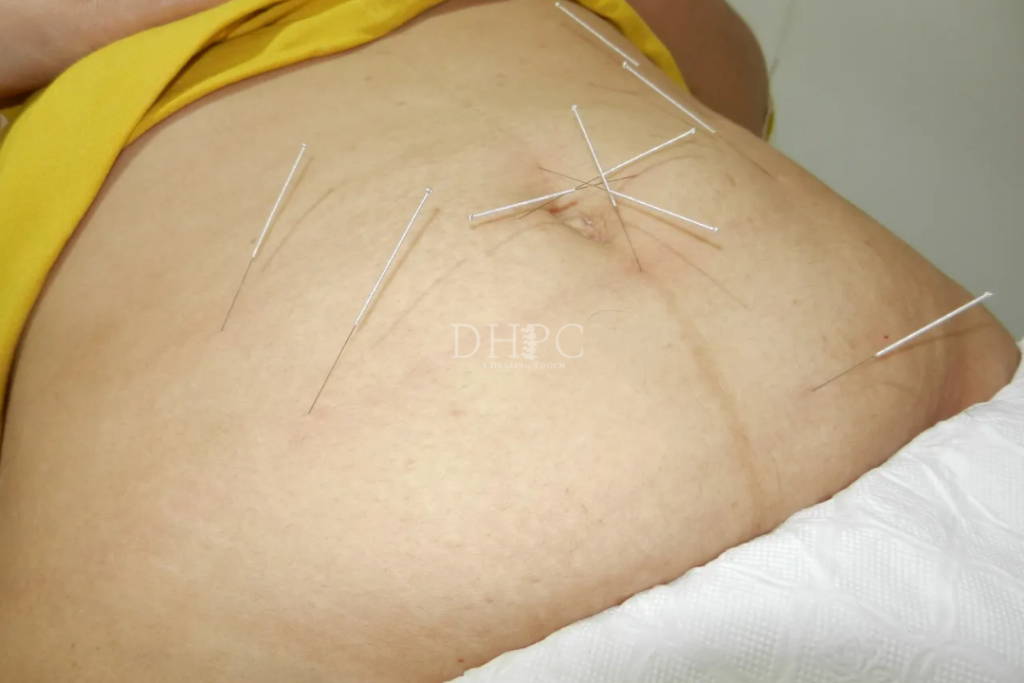
Benefits of Dry Needling for Diastasis Recti:
Pain Management: Dry needling may help reduce pain or discomfort in the abdominal and surrounding muscles that may arise from Diastasis Recti.
Muscle Relaxation: The technique might help relax tight or overactive muscles in the abdomen or pelvis, which could indirectly benefit someone dealing with Diastasis Recti.
4. Core Strengthening Exercises
A core rehabilitation program is at the heart of physiotherapy for diastasis recti. The focus is on safely strengthening the transverse abdominis, obliques, and pelvic floor muscles without putting undue pressure on the separated muscles.
- Pelvic Tilts.
- Heel Slides.
- Modified Planks.
- Leg Lifts.
5. Posture and Body Mechanics Training
Poor posture and improper body mechanics can contribute to the worsening of diastasis recti. We work on improving your posture, particularly when standing, sitting, and lifting. Proper alignment of the pelvis and spine can help reduce the strain on the abdominal muscles and support the healing process.
6. Pelvic Floor Rehabilitation
The pelvic floor muscles play a significant role in core stability, particularly after pregnancy. Weakness in these muscles can exacerbate diastasis recti symptoms. It includes pelvic floor exercises, commonly known as Kegels, to strengthen these muscles and improve core function.
7. Manual Therapy and Soft Tissue Techniques
It helps to realign the abdominal muscles, improve tissue flexibility, and promote healing. Techniques like myofascial release and trigger point therapy can be used to reduce tension and improve the function of the abdominal wall.
8. Soft tissue alignment
- Restoring Muscle Function
- Re-establishing Core Stability
- Reducing Pressure on the Linea Alba
- Preventing Compensatory Patterns
9. Osteopathy (bone) alignment
- Manual Techniques for Realignment
- Balancing the Musculoskeletal System
- Improving Core Stability and Function
- Addressing Fascial Restrictions
- Postural Corrections
- Customised Exercise Programs
Prevention Tips
- Strengthen Your Core Before Pregnancy
- Practice Proper Form
- Avoid High-Pressure Exercises.
Progression and Recovery
Recovery from diastasis recti is a gradual process.
The timeline for improvement varies depending on the severity of the condition, the individual’s dedication to their physiotherapy program, and other factors like overall fitness and health.
Regular follow-ups with a physiotherapist are important to assess progress, adjust exercises, and ensure that the condition is improving.
Conclusion
Physiotherapy offers a comprehensive, non-invasive approach to managing diastasis recti, focusing on strengthening the core, improving posture, and restoring function.
Whether you’re postpartum or dealing with diastasis recti due to other causes, don’t hesitate to reach out to DHPC for a proper diagnosis and treatment plan.
Living with Diastasis Recti?
Living with diastasis recti can be challenging, but with the right approach, it is possible to manage and even improve the condition.
For Early intervention and proper care,
Book your appointment at DHPC now! We can make a significant difference in your recovery journey!
Contact us on: 9886400200, 08041320407