Hormonal conditions like PCOD and Endometriosis are often approached with medication alone. But for many women, symptoms go beyond what medication can fully address, impacting energy levels, metabolism, mental well-being and overall quality of life.
At DHPC, we focus on understanding the body as a whole, combining physiotherapy, movement science, and osteopathic care to support long-term recovery.
This blog shares a real patient experience.
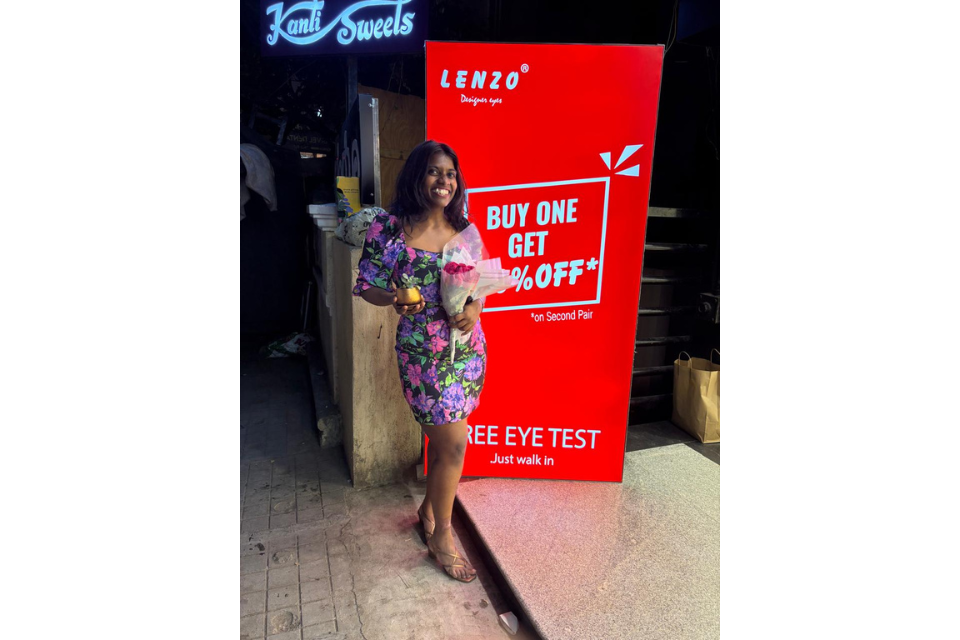
A Patient’s Journey
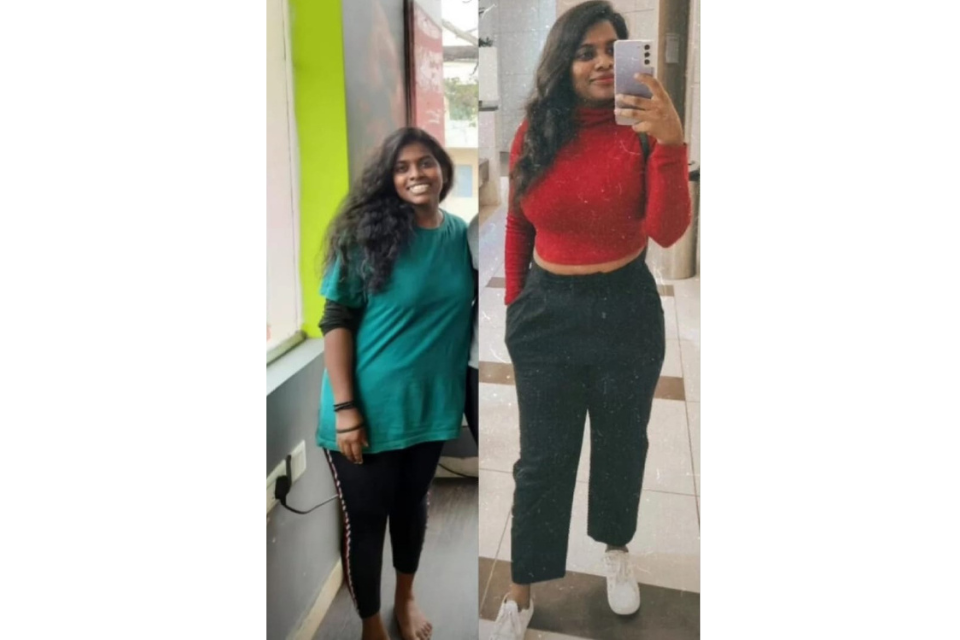
Below is a reflection written by our patient during her journey:
“I still remember the day I looked at myself… and felt like a stranger in my own body.
Not because I didn’t love myself—but because I couldn’t recognize who I had become.
It didn’t happen overnight.
Late nights. Unhealthy food. Stress I ignored.
A lifestyle that slowly pulled me away from myself.
And then one day… I realized I was nearly 80 kg.
But the real weight? Was how I felt inside.
Heavy. Drained. Disconnected.
When My Body Started Asking for Help
Irregular cycles. Low energy. Hormonal imbalance.
I was diagnosed with PCOD.
A bulky uterus and an endometrial lining of 1.6 cm.
I was put on hormonal pills… and I wondered,
‘Will I ever feel normal again?’
The Turning Point
I realized: I didn’t need to punish my body.
I needed to rebuild it.
Pilates helped me reconnect with my body.
Strength training helped me rebuild it.
Visceral osteopathy helped me heal from within.
Slowly… everything changed.
Not just my body—but my mindset.
My Transformation
This is not just weight loss.
This is discipline. Healing. Self-respect.
If you are struggling…
You are not broken.
You are rebuilding.
I didn’t heal overnight.
I healed by listening to my body.
And if I could do it… so can you.”
Understanding the Clinical Side
PCOD (Polycystic Ovarian Disease) and endometriosis are often viewed purely as hormonal conditions—but in reality, they are multisystem disorders that affect metabolism, the musculoskeletal system, and even mental well-being.
In this case, the patient presented with:
- PCOD (Polycystic Ovarian Disease)
- Irregular menstrual cycles
- Persistent low energy levels
- Metabolic imbalance
- Increased endometrial thickness (1.6 cm)
- Symptoms associated with endometriosis
While hormonal medication played an important role in regulating cycles and managing immediate symptoms, it did not fully address the underlying functional issues—such as reduced physical conditioning, poor muscle support, stress load, and altered body awareness.
This is where a movement-based, integrative approach becomes essential.
Why Movement-Based Therapy Matters in PCOD & Endometriosis
Hormonal health is deeply connected to how the body moves, adapts, and recovers. Sedentary habits, chronic stress, and poor movement patterns can worsen symptoms over time.
A structured program combining physiotherapy, Pilates, and visceral osteopathy helps bridge this gap.
1. Physiotherapy (Strength & Flexibility Training)
Physiotherapy forms the foundation of recovery by addressing both mechanical and metabolic aspects of the condition.
A guided strength and flexibility program helps:
- Improve insulin sensitivity, which is crucial in PCOD management
- Support healthy weight regulation without extreme dieting
- Correct muscle imbalances and postural issues
- Enhance circulation and oxygen delivery to tissues
- Reduce fatigue and gradually improve stamina
Most importantly, physiotherapy ensures that the body becomes stronger and more efficient, rather than simply losing weight.
2. Pilates
Pilates goes beyond exercise—it reconnects the mind and body, which is often disrupted in chronic hormonal conditions.
It focuses on:
- Core activation, especially deep abdominal and pelvic muscles
- Pelvic stability, which is essential for reproductive health
- Breathing patterns, improving oxygenation and relaxation
- Postural alignment reduces unnecessary strain on the body
- Nervous system regulation, helping manage stress responses
For many patients with PCOD and endometriosis, stress plays a significant role in symptom flare-ups. Pilates helps shift the body from a constant “stress mode” to a more balanced state, supporting hormonal regulation indirectly.
3. Visceral Osteopathy
Visceral osteopathy is a gentle, hands-on therapy that works with the internal organs and surrounding connective tissues.
In conditions like PCOD and endometriosis, restrictions around pelvic organs can affect circulation and function.
This therapy may help:
- Improve mobility of internal organs
- Enhance blood flow and lymphatic drainage in the pelvic region
- Reduce internal tension and restrictions
- Support digestive and hormonal function
While subtle, these changes can significantly contribute to overall recovery when combined with active therapies.
What Makes the Difference?
One of the most important shifts in this journey was not just physical—it was behavioral and neurological.
Many individuals with PCOD fall into cycles of:
- Crash dieting
- Over-exercising followed by burnout
- Ignoring early symptoms
- Inconsistency in routines
These patterns often worsen the condition over time.
In contrast, this approach focused on:
- Consistency over intensity
- Structured, progressive training
- Listening to the body instead of fighting it
- Building sustainable habits rather than short-term fixes
This shift creates long-term results because it works with the body, not against it.
The Outcome
With time and consistency, the patient experienced gradual yet meaningful changes:
- Improved strength and physical endurance
- Better energy levels throughout the day
- Enhanced body awareness and control
- Sustainable weight management
- A healthier, more balanced relationship with her body
These outcomes highlight that true recovery is not defined by quick transformations, but by lasting functional improvements.
Our Approach at DHPC
At DHPC, our philosophy is simple yet deeply rooted in clinical practice:
Patient satisfaction and recovery always come first.
As a leading physiotherapy clinic in Bangalore, we recognise that conditions like PCOD and endometriosis are not one-dimensional. They require a holistic, personalised, and structured approach that goes beyond temporary symptom relief.
We follow a step-by-step process designed to deliver long-term, sustainable outcomes:
1. Detailed Assessment
Every patient journey begins with a comprehensive evaluation.
This is not just about identifying symptoms—it’s about understanding the complete picture:
- Physical condition and strength levels
- Movement patterns and postural habits
- Lifestyle factors such as stress, sleep, and activity levels
- Severity and progression of symptoms
This phase allows us to identify the root contributors rather than just treating surface-level issues.
2. Personalised Treatment Plan
Based on the assessment, we design an individualised program tailored to the patient’s body, condition, and goals.
This may include a combination of:
- Physiotherapy to build strength, improve flexibility, and restore function
- Pilates to enhance core stability, posture, and mind-body connection
- Osteopathic care to support internal balance and mobility
No generic protocols. No one-size-fits-all approach. Every plan is customised to ensure safe, progressive, and effective recovery.
3. Guided Recovery
Healing doesn’t happen with a plan alone—it requires the right guidance.
Patients are supported throughout their journey with:
- Supervised sessions to ensure correct technique and prevent injury
- Progressive training programs that evolve with improvement
- Continuous monitoring and adjustments based on response and progress
This ensures that recovery is not only effective but also sustainable and consistent.
Because no two cases of PCOD or endometriosis are the same, individualisation is the key to achieving real, lasting results.
PCOD and endometriosis are often misunderstood as purely hormonal conditions—but in reality, they impact the entire body system.
And recovery is not about:
- Extreme diets
- Overtraining
- Quick fixes
It is about:
- The right clinical guidance
- The right movement strategy
- The right consistency over time
When approached with the right combination of expertise and care, the body has an incredible ability to:
- Adapt
- Heal
- Rebuild
If you are looking for a structured, evidence-based, and personalised approach, choosing the right physiotherapy clinic in Bangalore can make all the difference in your recovery journey.