Postpartum recovery is often expected to be a gradual return to normal life, but for many new mothers, it brings unexpected physical challenges. One of the most common concerns we see in clinical practice is persistent lower back pain. This is not just due to fatigue, but is often linked to deeper issues such as sacroiliac joint dysfunction and diastasis recti.
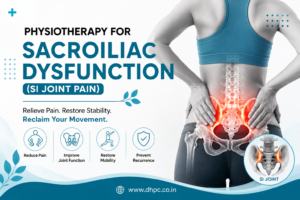
Sacroiliac Dysfunction
The sacroiliac joint connects the spine to the pelvis. After delivery, hormonal changes and physical strain can lead to instability or improper movement in this joint, causing:
- Lower back pain
- Pain while standing or walking
- Difficulty in changing positions
Diastasis Recti
Diastasis recti refers to the separation of abdominal muscles, commonly seen after pregnancy. This leads to:
- Weak core support
- Increased strain on the lower back
- Poor posture and fatigue
After delivery, the body goes through significant changes. The ligaments remain lax for some time, the core muscles are weakened, and daily activities like lifting the baby, feeding, and prolonged sitting begin to place continuous strain on the lower back. When the core is unable to provide adequate support, the stress shifts to the sacroiliac joint, leading to discomfort, instability, and pain.
Clinical Case Study
In one such case at our clinic, a new mother came in with ongoing lower back pain that was affecting her ability to carry out routine activities. She described a constant feeling of heaviness and fatigue in her back, especially while handling the baby. On assessment, the diagnosis pointed towards sacroiliac dysfunction along with diastasis recti, where the abdominal muscles had not regained their strength after delivery. The combination of a weak core and repetitive strain had led to increased stress on her lower back.
Understanding her condition, we focused on relieving pain while also supporting her body’s natural recovery process. As part of her treatment, we used cupping therapy and kinesiology taping. These techniques were chosen to reduce muscle tension, improve circulation, and provide support to the affected areas without adding strain.
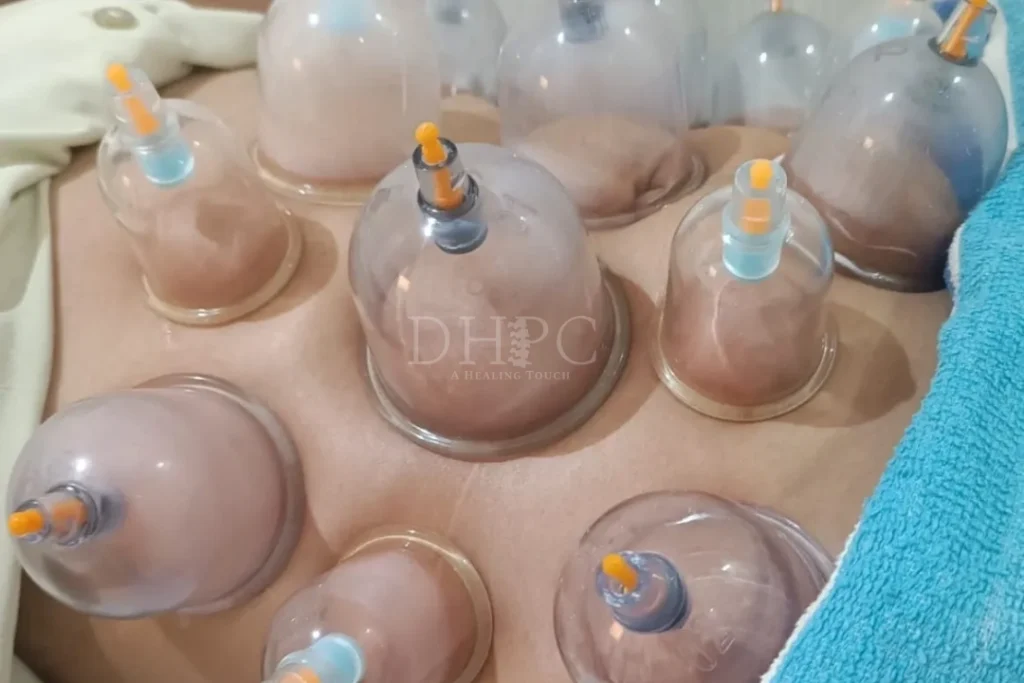
To understand more about how this works, you can read about Cupping Therapy here:
In the second phase of treatment, after her pain had reduced, we introduced a technique called visceral osteopathy. During pregnancy, as the baby grows, the internal organs in the abdomen shift and adjust to make space. After delivery, these organs don’t always return to their normal movement and position immediately, which can create internal tightness and strain. Visceral osteopathy helps restore the natural movement of these organs, reduces internal tension, and improves how the core muscles function together.
This, in turn, reduces unnecessary stress on the lower back and helps in a smoother and more complete recovery after delivery.
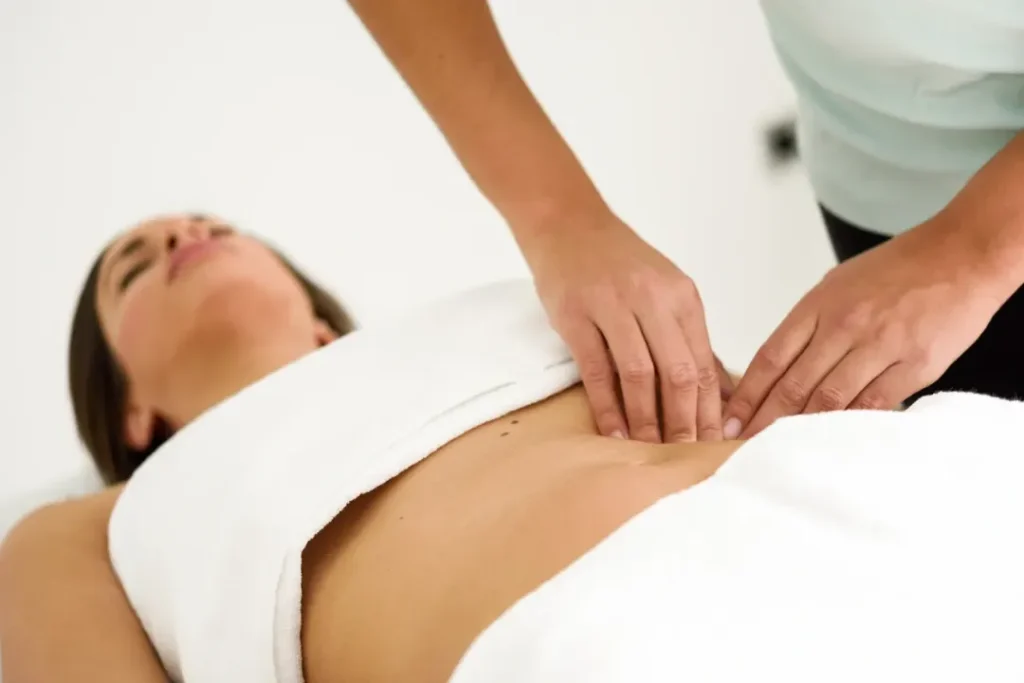
What was encouraging in this case was the response to treatment. Even within a single session, there was a noticeable improvement. She reported reduced pain, better ease of movement, and less strain while performing daily activities. This early response not only helped physically but also gave her confidence that recovery was possible.
This kind of improvement highlights an important aspect of postpartum care. While pain is common after delivery, it should not be ignored or accepted as normal for long periods. Conditions like sacroiliac dysfunction and diastasis recti require proper attention, as they directly affect stability, posture, and overall function.
How Physiotherapy Supports Postpartum Recovery
Physiotherapy addresses these issues by focusing on both symptom relief and correction of the underlying cause. Improving muscle function, supporting weak areas and restoring balance in the body, it helps new mothers recover safely and effectively.
At Dr Harsha’s Physiotherapy Clinic (DHPC), our approach is always centred around understanding the individual’s condition in detail. Every treatment begins with a thorough assessment, followed by a personalised plan that supports both immediate relief and long-term recovery.
If you are experiencing similar symptoms after delivery, it is important to seek the right guidance early. With appropriate care, recovery can be smoother, more comfortable, and much faster than expected. If you are facing postpartum back pain or core weakness, you can contact DHPC at 9886400200 or 080-41320407, or visit www.dhpc.co.in to book your appointment and begin your recovery journey.
Frequently Asked Questions
Can physiotherapy help postpartum back pain?
Yes, physiotherapy helps reduce pain, improve muscle strength, restore stability, and address the root cause of postpartum back issues.
Is cupping therapy safe after delivery?
Cupping therapy is generally safe when performed by trained professionals and can help reduce muscle tension, improve circulation, and relieve pain.
How soon can I start physiotherapy after delivery?
This depends on individual recovery and the type of delivery. A physiotherapy assessment helps determine the right time and suitable treatment plan.
How many sessions are required for recovery?
The number of sessions varies based on the condition, severity, and individual recovery. Some people may experience relief early, while others may need ongoing care.
When should I consult a physiotherapist after delivery?
If you experience persistent back pain, difficulty in movement, or weakness in your core, it is advisable to seek physiotherapy guidance early.