Rehab Journey at DHPC: High Tibial Osteotomy & ACL Repair
At Dr. Harsha’s Physiotherapy Clinic (DHPC), we recently had the opportunity to provide postoperative rehabilitation physiotherapy for a patient recovering from complex knee surgeries, including high tibial osteotomy, ACL reconstruction, and meniscus repair. The patient had undergone surgery at another hospital and was referred to our clinic for expert postoperative rehabilitation physiotherapy to manage pain, improve mobility, and restore strength that remained limited during the recovery phase. Through our structured and comprehensive rehabilitation approach, we focused on reducing discomfort, enhancing joint function, and helping the patient return safely to daily activities.
Initial Condition and Treatment Goals
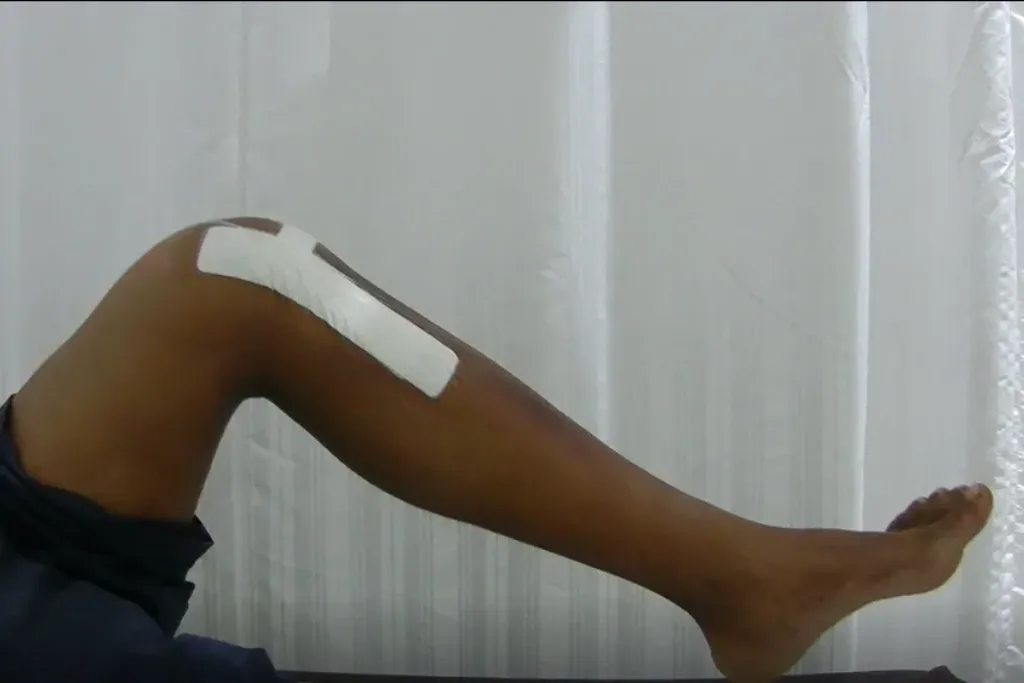
The patient arrived using a walker, following non-weight-bearing precautions on the operated leg. They presented with significant knee pain, swelling, and restricted mobility, able to bend the knee to only about 40 degrees with discomfort. Our first phase of treatment focused on essential goals:
· Reducing pain and swelling
· Decreasing myofascial tightness
· Improving knee mobility
· Building foundational muscle strength
Phase 1: Pain Relief and Restoring Range of Motion
To address the initial symptoms, we began with therapeutic interventions aimed at alleviating discomfort and improving knee function:
· Cupping Therapy and Dry Needling: These techniques helped reduce muscular tightness and relieve pain.
· Patellar and Knee Mobilization: Performed within safe limits, these mobilizations promoted joint flexibility.
· Active-Assisted Exercises: Carefully guided movements helped improve range of motion and activate muscles around the knee.
With these interventions, the patient experienced notable progress. Within the first week, they achieved a pain-free knee bend of up to 120 degrees. This rapid improvement underscored the importance of both professional therapy and a consistent home exercise regimen to maintain these gains.
Phase 2: Building Strength and Introducing Partial Weight-Bearing
With initial mobility and pain relief achieved, our next phase focused on building muscle strength, introducing partial weight-bearing, and enhancing core stability. To achieve these goals, we introduced:
· Preparatory Exercises for Partial Weight-Bearing: These exercises helped the patient safely transition from non-weight-bearing to partial weight-bearing.
· Core Strengthening with Pilates: Core stability was integral to ensure balanced movement and support the knee’s progress.
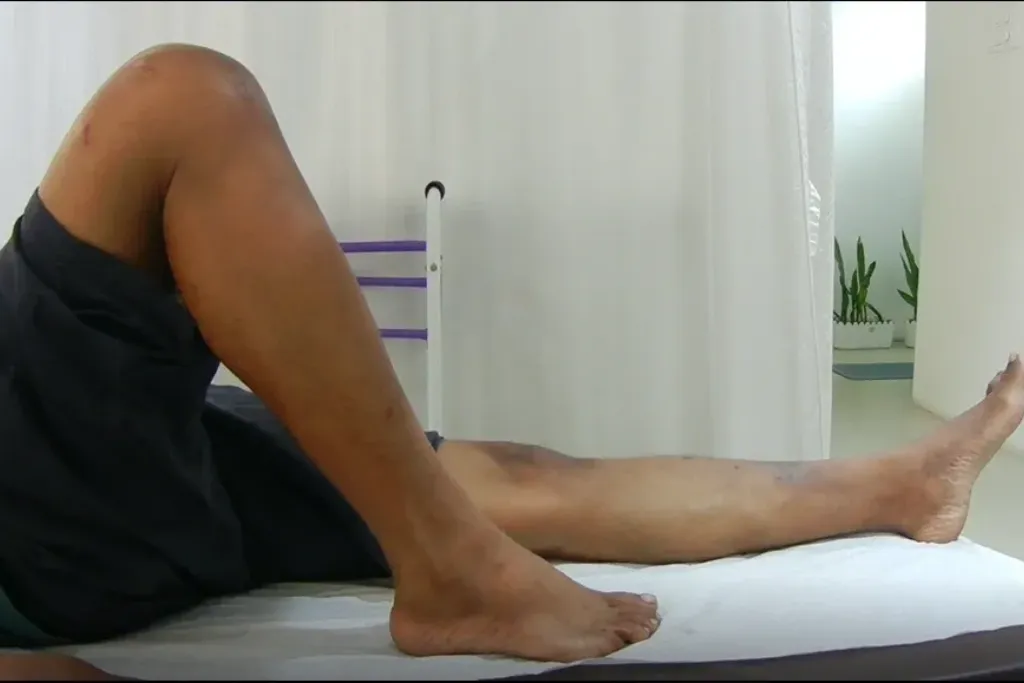
By the end of two weeks, the patient could bend the knee through the full range and began bearing slight weight on the operated leg. They progressed from using a walker to a cane, gaining confidence in mobility and stability.
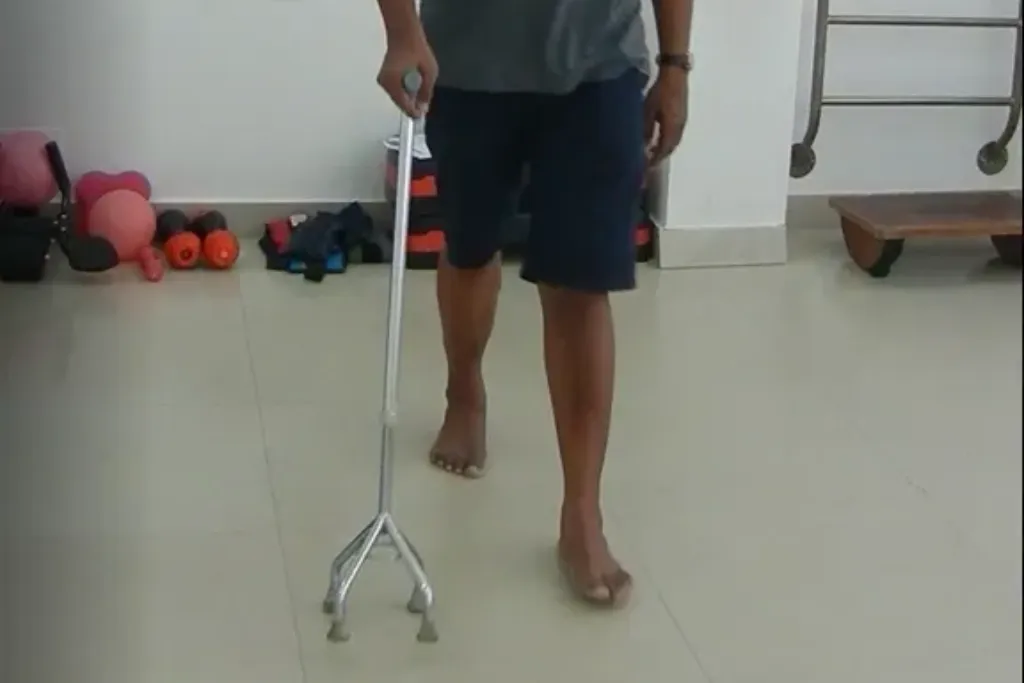
Phase 3: Full Weight-Bearing and Independent Walking
In the final phase, we focused on achieving complete weight-bearing capacity and independent walking. To reach this level, our treatment included:
· Balance and Proprioception Training: Essential for stability, these exercises helped the patient adjust to weight-bearing on the affected leg.
· Advanced Weight-Bearing and Stepping Exercises: Progressing gradually, we introduced movements that further improved the patient’s functional strength.
After four weeks of physiotherapy, the patient was able to walk unaided and with confidence. They were ready to return to work, with strength and mobility fully restored. We continued to progress their rehabilitation with stepping and squatting exercises to ensure durability and resilience in the knee.

Conclusion
This case highlights how important postoperative rehabilitation physiotherapy is for a successful recovery after surgery. A structured rehabilitation program not only helps reduce pain and restore mobility but also builds the strength and stability required for a safe return to daily activities. At Dr. Harsha’s Physiotherapy Clinic (DHPC), we provide personalized postoperative rehabilitation physiotherapy programs tailored to each patient’s condition, with a strong focus on education, guided exercises, and home care to maintain the progress achieved during treatment sessions.
If you are looking for postoperative rehabilitation, the best place to go is DHPC. Contact us at 9886400200 or 080-41320407, or visit us at www.dhpc.co.in.